Internal Complaints Committee (ICC)
INTERNAL COMPLAINTS COMMITTEE (ICC)
| S. No. | Name of Members | Status / Position | Contact No. | Email ID |
|---|---|---|---|---|
| 1 | Mrs. Minam Tayeng | Coordinator (Presiding Officer) | 08258007707 | minamibaado@gmail.com |
| 2 | Mrs. Asha Dujom | Asstt. Coordinator (Asstt. Presiding Officer) | 09862786991 | ashadujom1992@gmail.com |
| 3 | Mrs. Techi Yana | Member | 09436262734 | techiyanatara23@gmail.com |
| 4 | Ms. Liter Riba | Member | 09863439513 | literriba27@gmail.com |
| 5 | Sri Obang Tali | Member | 08259989767 | obangtali@gmail.com |
| 6 | Sri Kengam Ete | Member | 08731803905 | kenngamete04@gmail.com |
| 7 | Sri Jumken Loya | Member | 07640942562 | loyajumken69@gmail.com |
| 8 | Sri Neetu Borah | Member | 09362294727 | neetuborah86@gmail.com |
| 9 | Nyapin Ngomdir | Students’ Representative (Girls) | 8794771551 | nyapingomdir5@gmail.com |
| 10 | Mepung Tana | Students’ Representative (Girls) | 7630957066 | mepungtana77@gmail.com |
| 11 | Papi Tachang | Students’ Representative (Girls) | 9366446857 | papitachang402@gmail.com |
| 12 | Akash Bhaita | Students’ Representative (Boys) | 7085619758 | akashbhaita001@gmail.com |
| 13 | Marge Basar | Students’ Representative (Boys) | 7085423358 | margebasar76@gmail.com |
| 14 | Getul Hali | Students’ Representative (Boys) | 8798953465 | getulhali7@gmail.com |
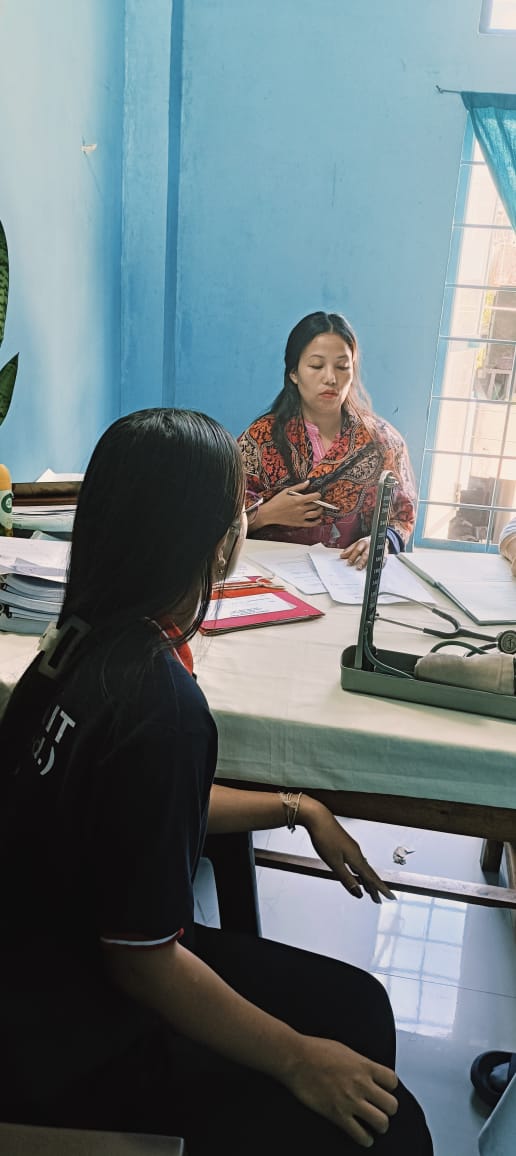
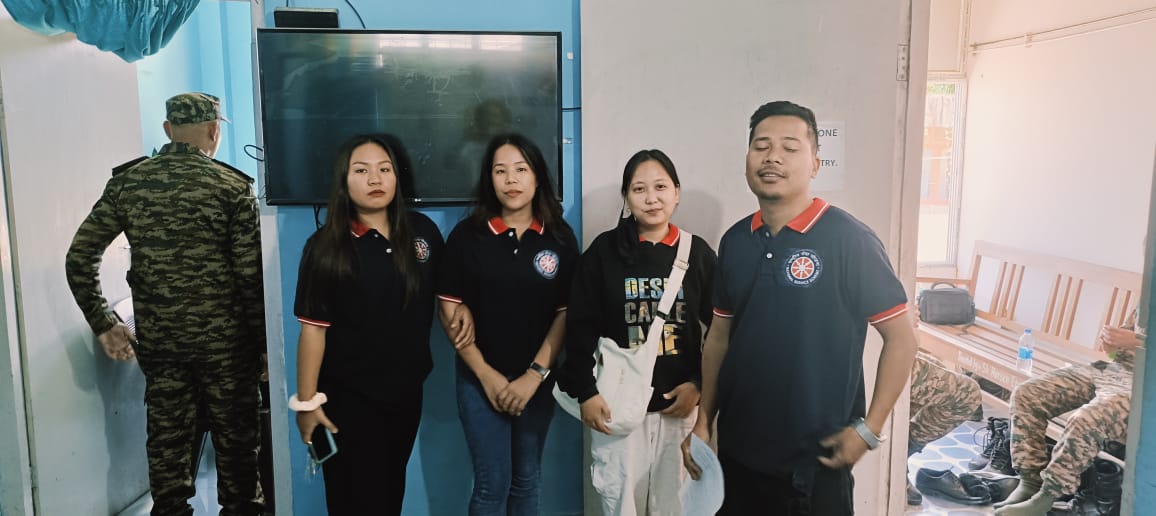
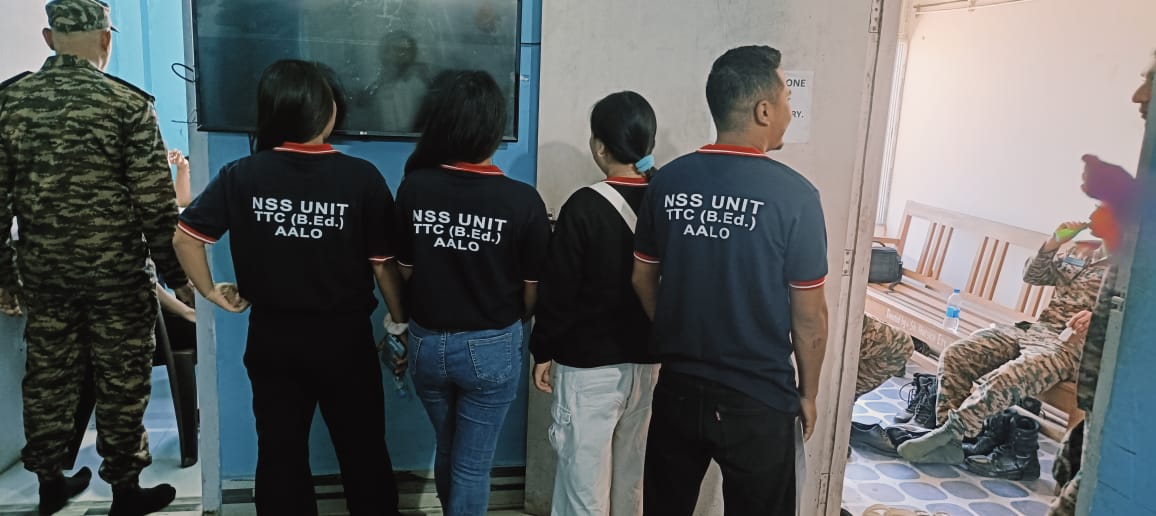
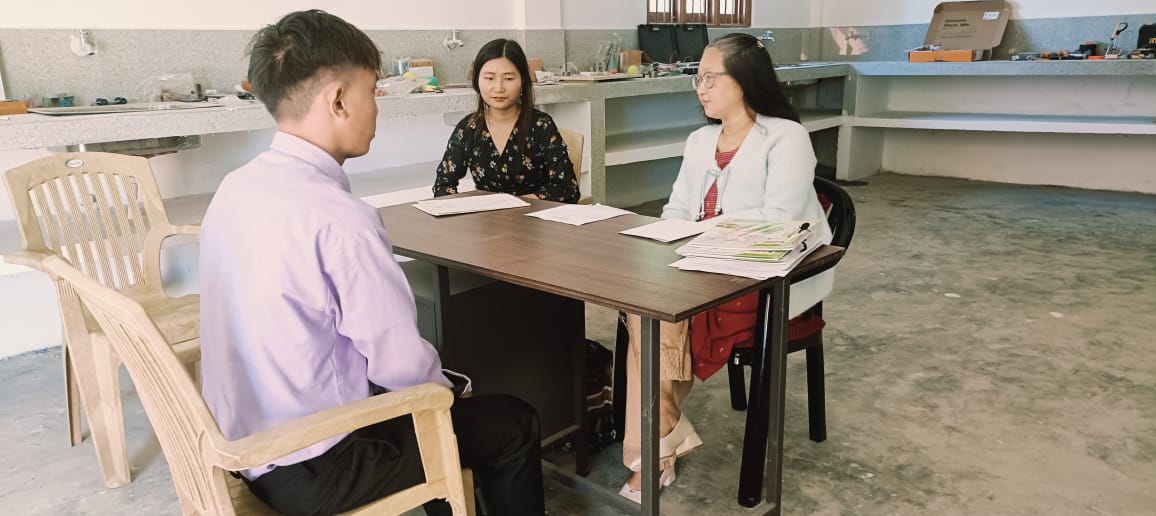
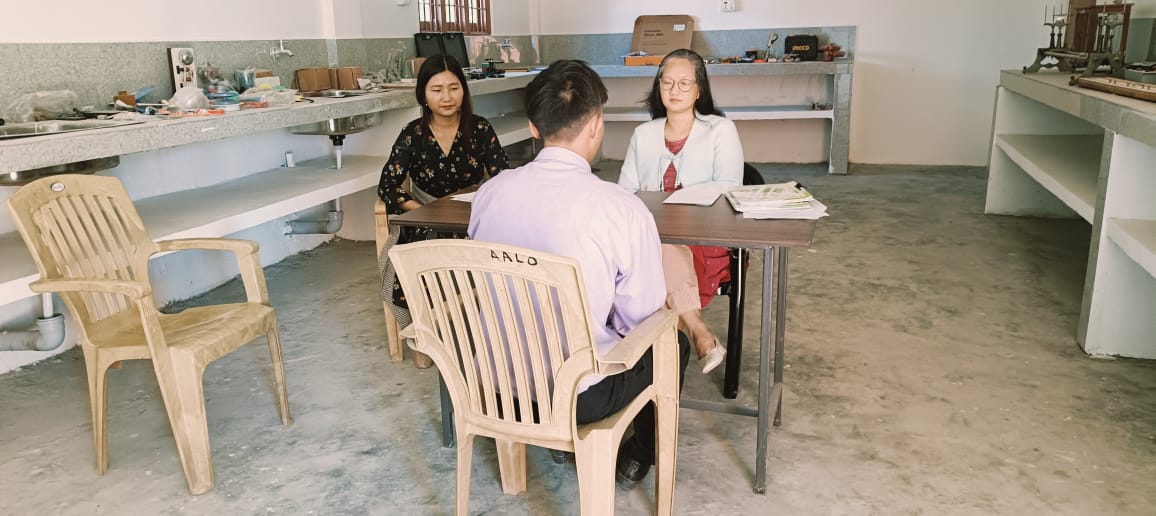
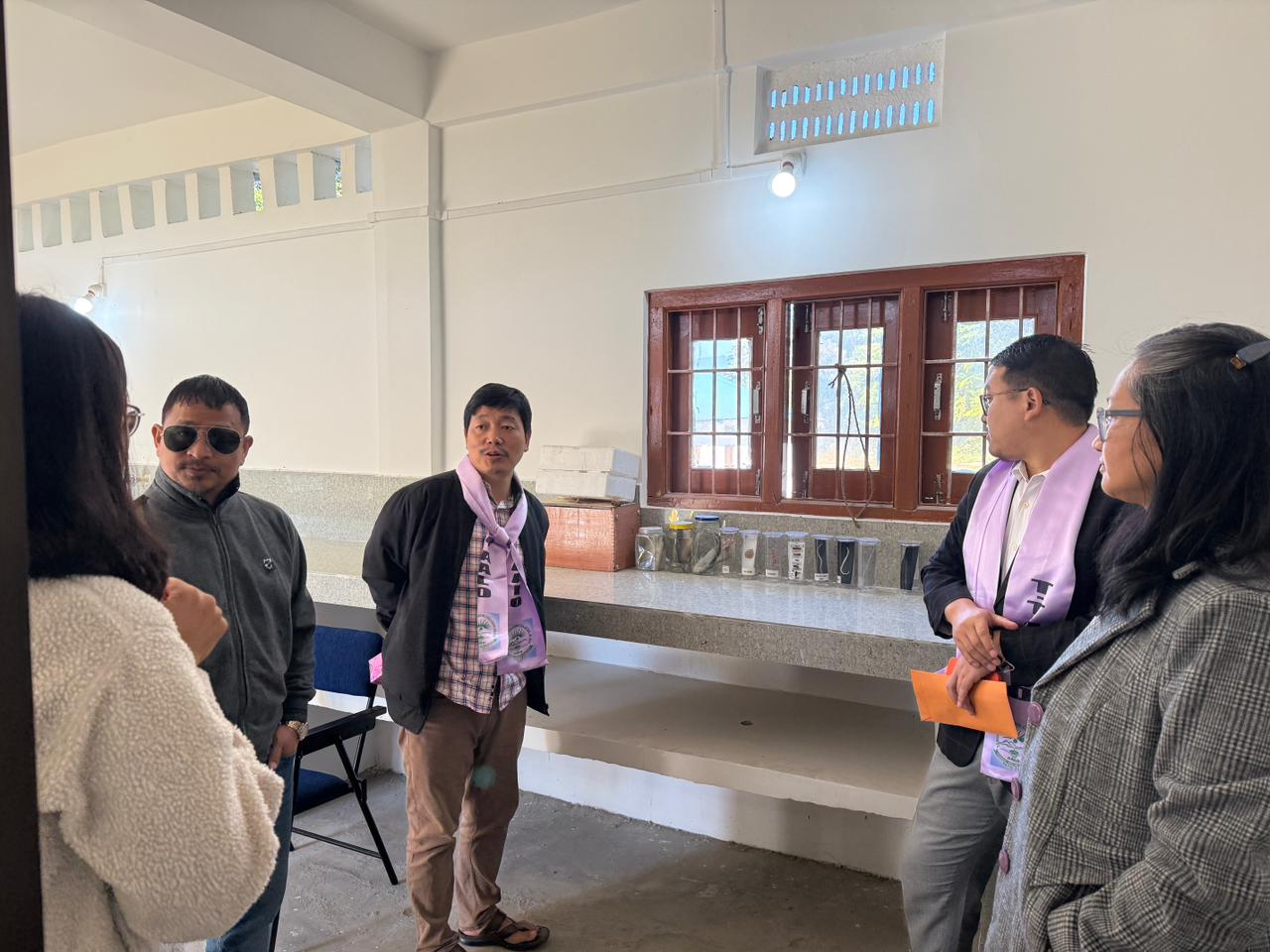
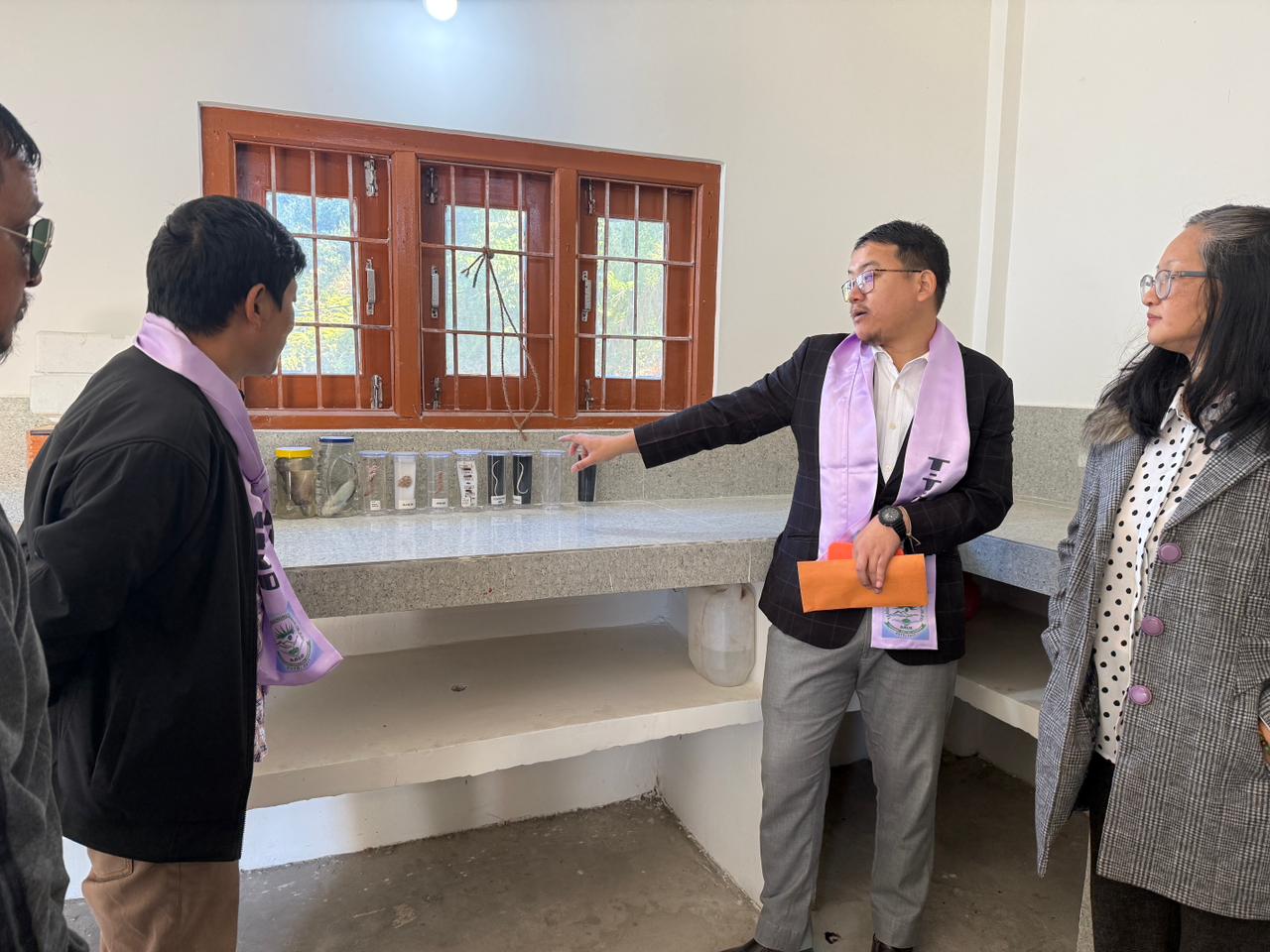
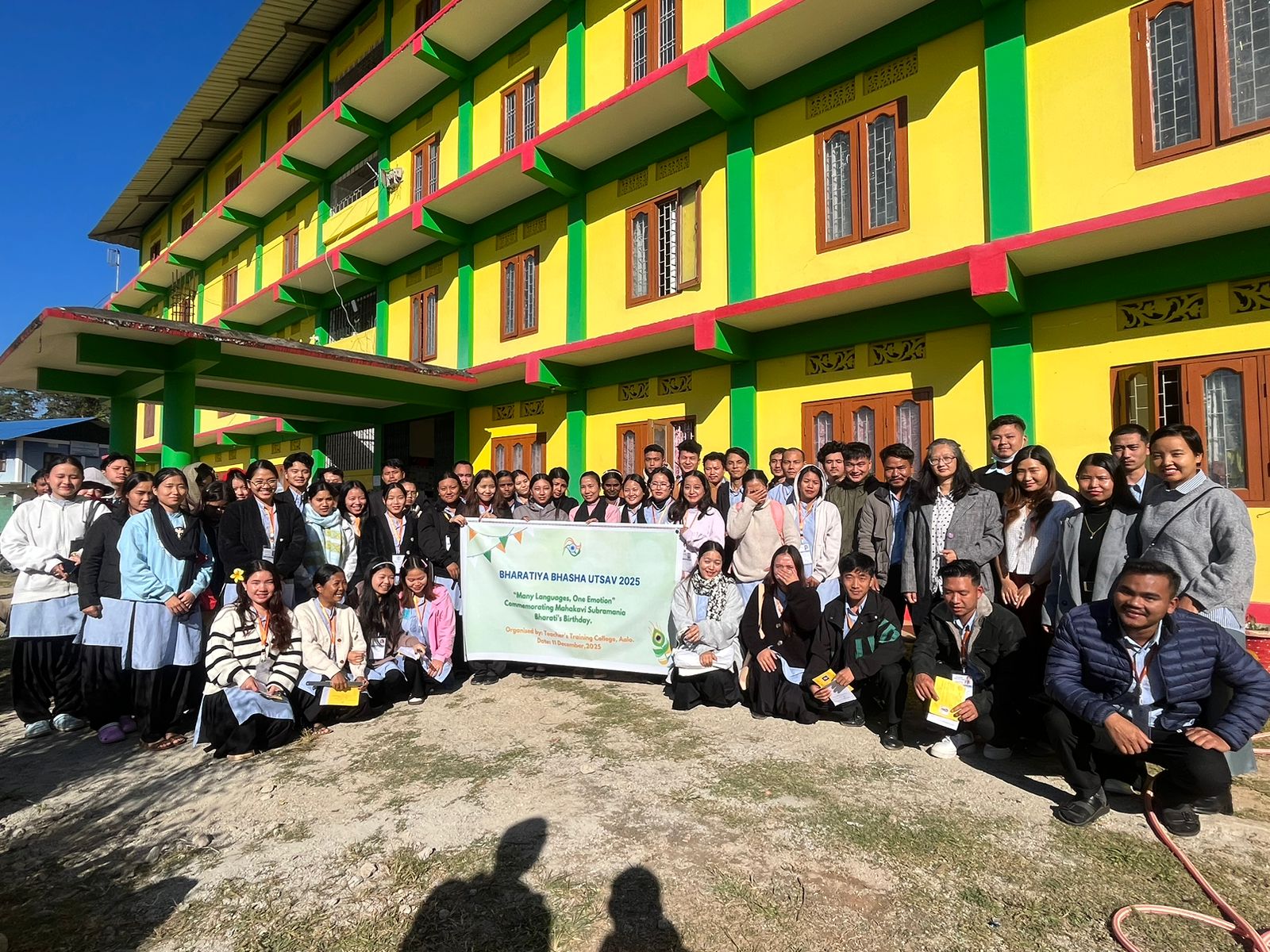
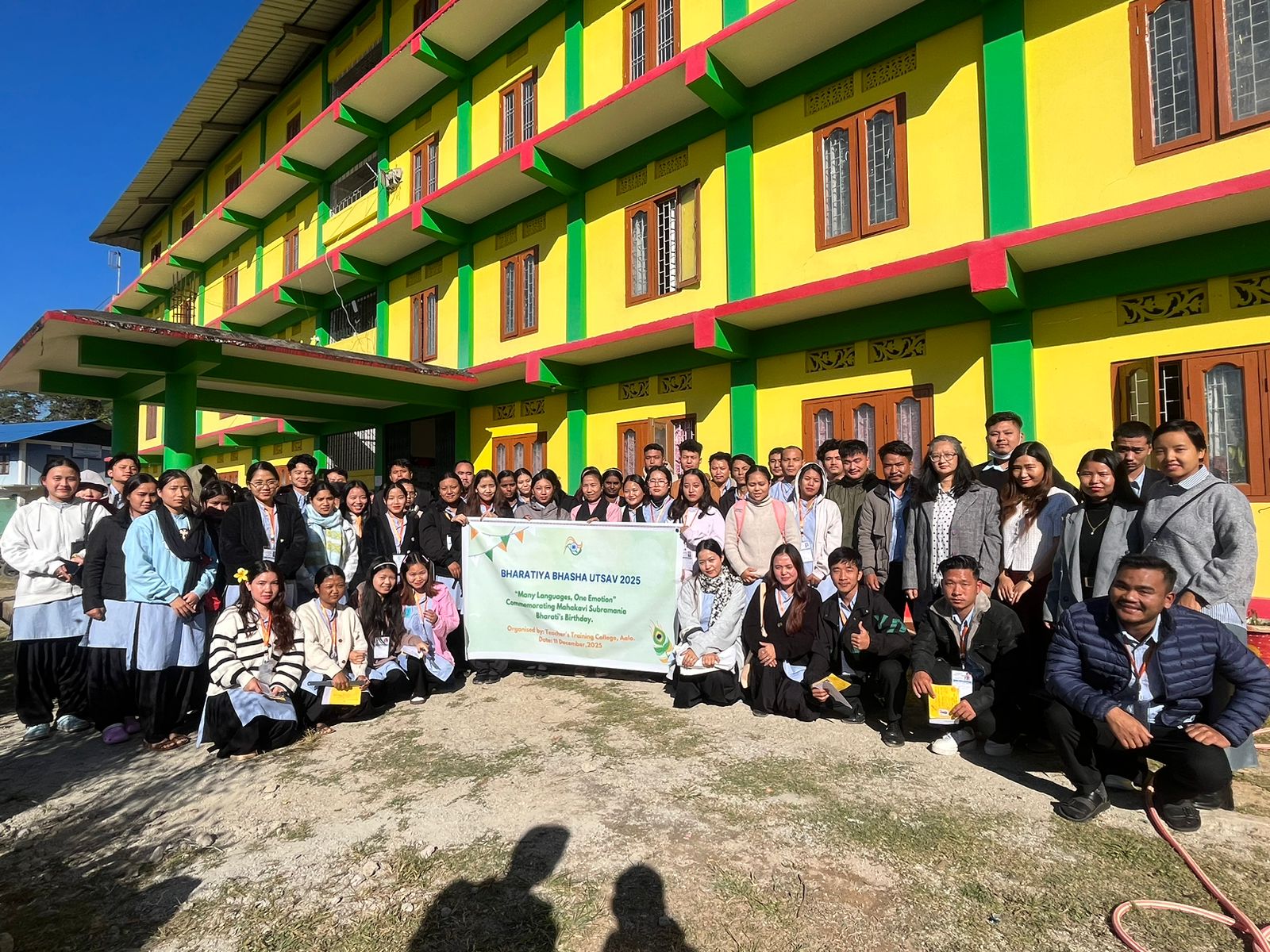
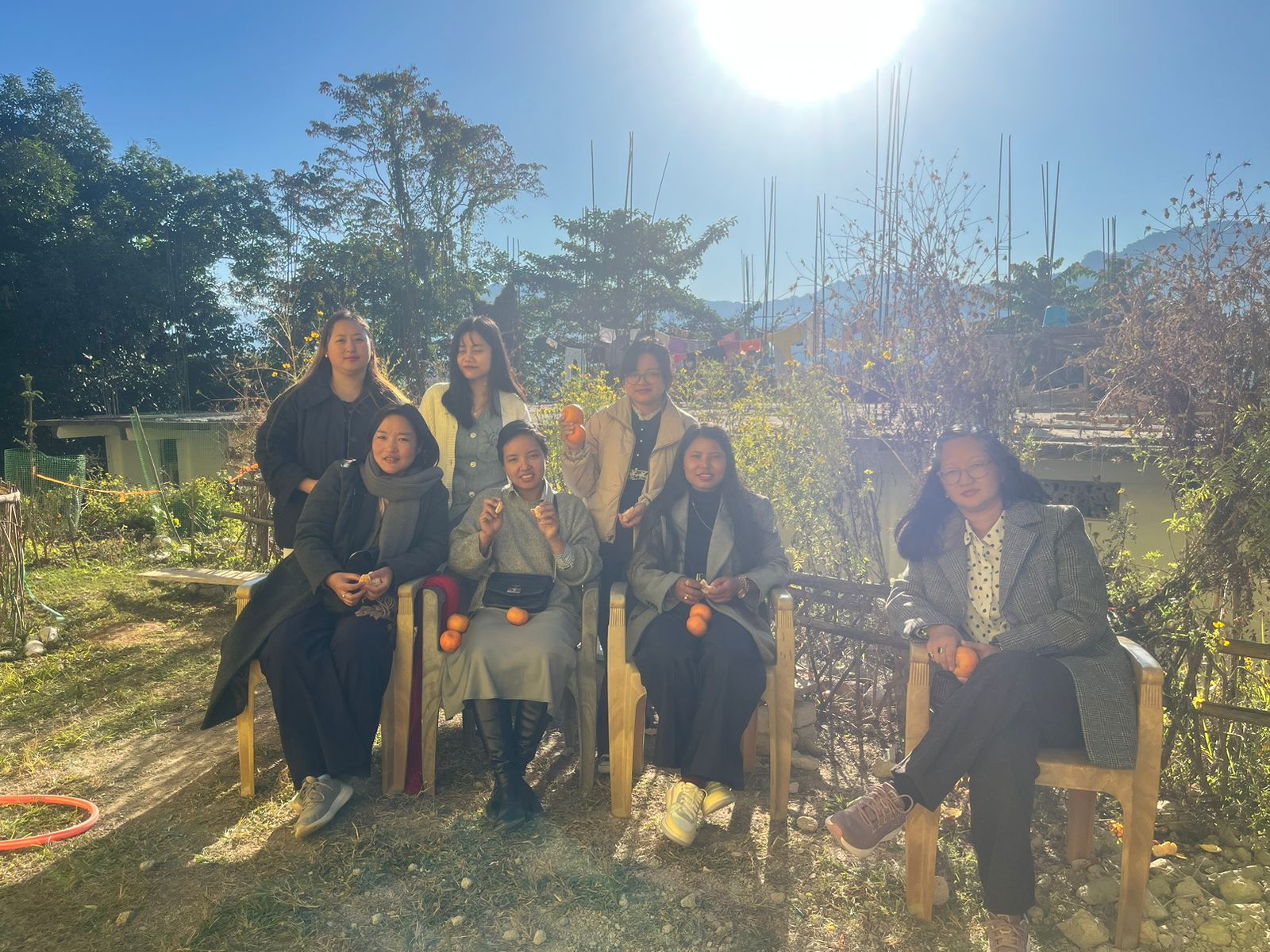
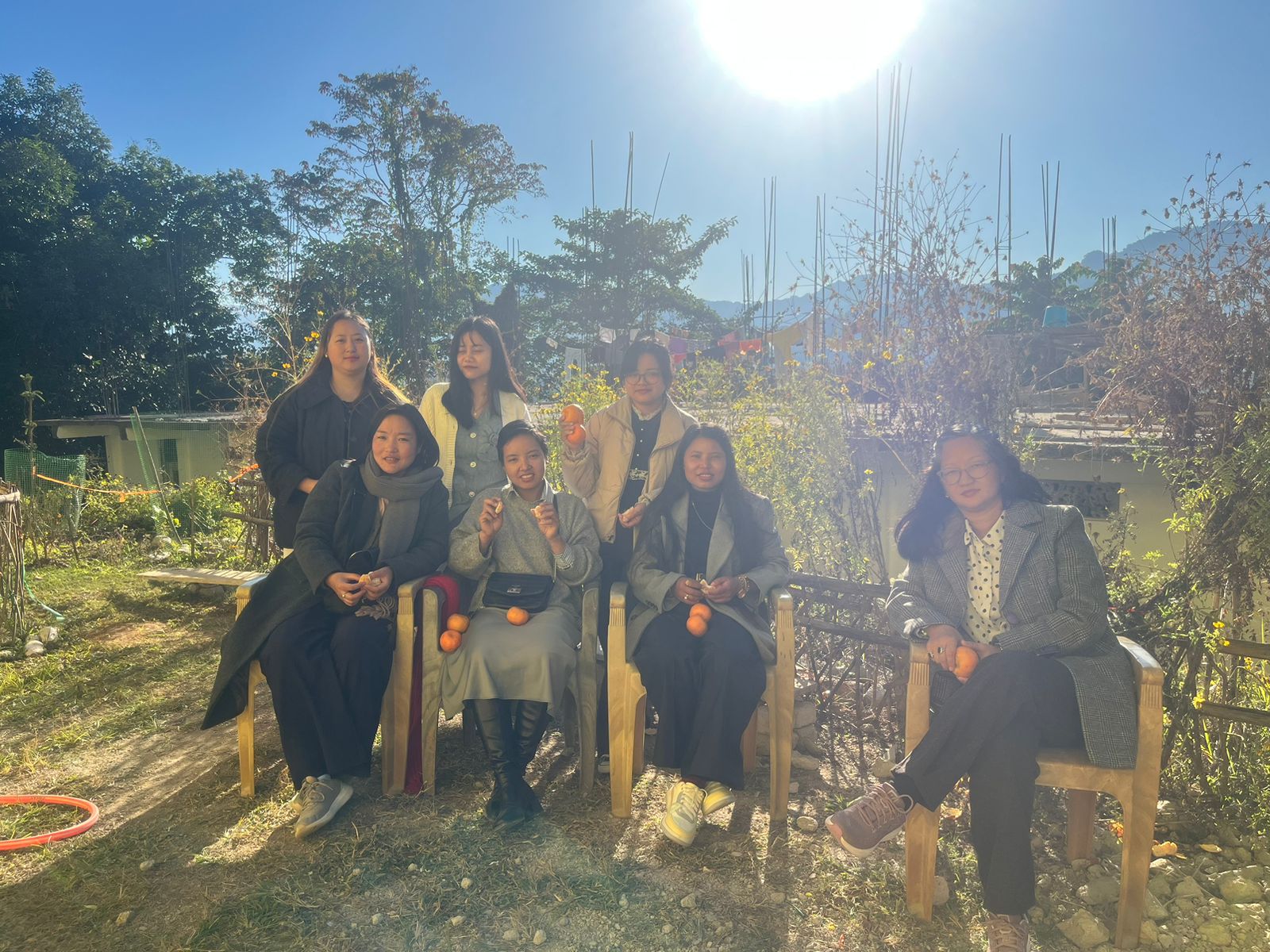
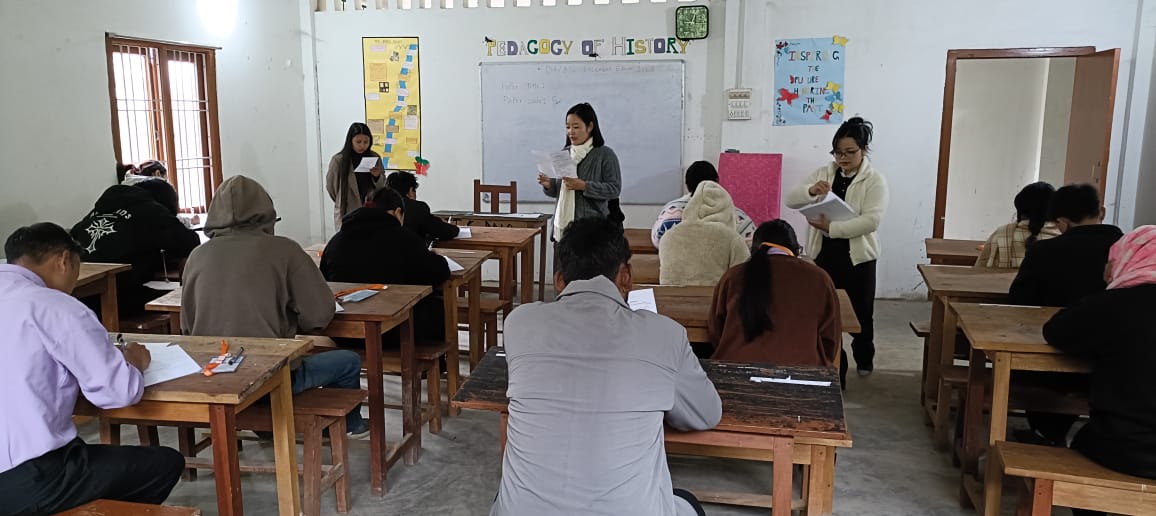
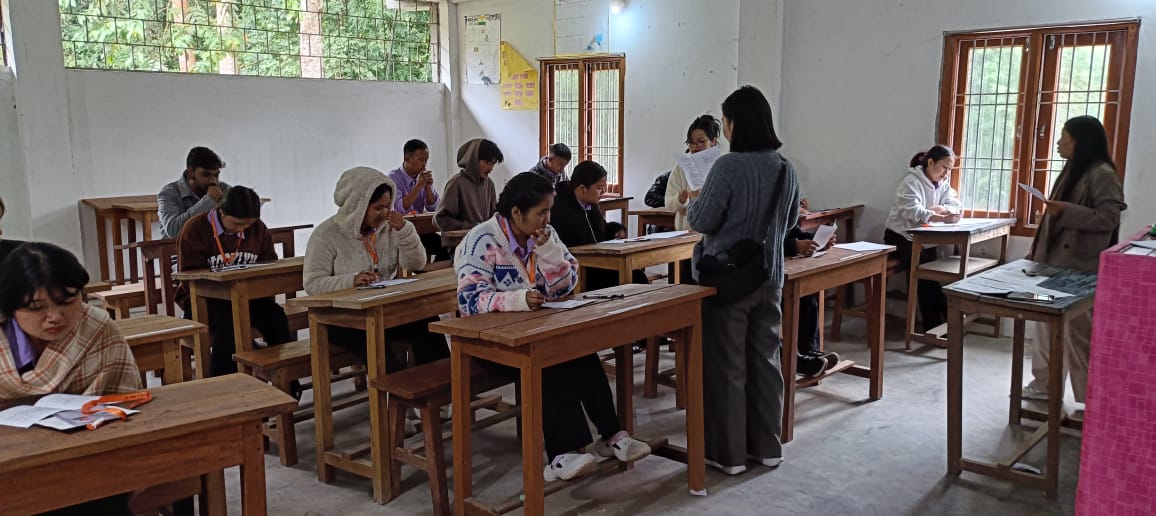
Committee Photos
ABOUT THE INTERNAL COMPLAINTS COMMITTEE (ICC)
In compliance with the provisions of the Sexual Harassment of Women at Workplace (Prevention, Prohibition and Redressal) Act, 2013, the UGC (Prevention, Prohibition and Redressal of Sexual Harassment of Women Employees and Students in Higher Educational Institutions) Regulations, 2015, and in consonance with the statutes, ordinances, regulations, and executive directives issued by Rajiv Gandhi University, Doimukh, Itanagar, together with the regulatory and normative framework prescribed by the National Council for Teacher Education (NCTE), New Delhi, the Internal Complaints Committee (ICC) has been duly constituted at Teachers Training College (B.Ed.), Aalo. The constitution of the ICC underscores the institutional resolve to ensure statutory compliance, gender equity, and ethical governance within the academic and administrative domain. The ICC functions as a statutory and quasi-judicial authority, entrusted with the mandate to prevent, prohibit, and redress incidents of sexual harassment involving women employees and students of the institution. The Committee operates within a structured procedural framework founded on the principles of natural justice, due process, confidentiality, non-victimization, and administrative fairness, thereby ensuring impartial adjudication and institutional propriety.
As an institutional redressal mechanism, the ICC is empowered to receive and examine complaints, conduct time-bound inquiries, evaluate evidentiary materials, and submit reasoned findings and recommendations to the competent authority in accordance with the applicable legal and regulatory provisions. In discharging its functions, the Committee adheres to codified inquiry protocols and maintains scrupulous records to ensure transparency, audit readiness, and regulatory compliance. Beyond its remedial role, the ICC performs a preventive and sensitization function by organizing awareness programmes, orientation sessions, and capacity-building initiatives aimed at promoting a gender-sensitive, inclusive, and respectful academic environment. The Committee also undertakes advisory and monitoring functions by recommending policy measures and institutional safeguards to strengthen workplace dignity and safety.
Through its integrated preventive, prohibitory, and remedial mandate, the Internal Complaints Committee of Teachers Training College (B.Ed.), Aalo serves as a cornerstone of institutional accountability and social responsibility, ensuring a secure, dignified, and discrimination-free academic and professional milieu fully aligned with the statutory mandates of UGC, RGU, and NCTE.
OBJECTIVES OF THE INTERNAL COMPLAINTS COMMITTEE (ICC)
- To institutionalize a zero-tolerance framework against sexual harassment by operationalizing the statutory intent of the Sexual Harassment of Women at Workplace (Prevention, Prohibition and Redressal) Act, 2013 within the academic and administrative ecosystem of the College.
- To ensure regulatory compliance and legal consonance with the UGC (Prevention, Prohibition and Redressal of Sexual Harassment of Women Employees and Students in Higher Educational Institutions) Regulations, 2015 and allied directives issued by Rajiv Gandhi University and NCTE.
- To safeguard the dignity, equality, and bodily autonomy of women employees and students by establishing a formally structured, impartial, and accessible redressal mechanism grounded in principles of natural justice.
- To promote a gender-just and ethically governed institutional climate through preventive strategies, sensitization initiatives, and policy advocacy aligned with national higher education quality benchmarks.
- To liaise with government welfare agencies for fund facilitation and student support services.
- To act as an institutional watchdog for early identification, deterrence, and mitigation of behaviors constituting sexual misconduct, harassment, or hostile work and learning environments.
- To ensure procedural fairness and confidentiality in the handling of complaints through codified inquiry protocols, evidence-based assessment, and non-adversarial adjudicatory processes.
- To protect complainants, respondents, and witnesses from retaliation, coercion, or victimization during and subsequent to inquiry proceedings, thereby reinforcing trust in institutional mechanisms.
- To integrate gender sensitization into institutional governance by recommending curricular, co-curricular, and administrative interventions fostering inclusivity and respect.
- To maintain systematic documentation and compliance reporting for statutory disclosure, audit scrutiny, accreditation processes, and regulatory inspections by UGC, RGU, and NCTE.
- To periodically evaluate and strengthen institutional policies relating to workplace safety, gender equity, and grievance redressal in alignment with evolving legal mandates and academic governance norms.
FUNCTIONS OF THE INTERNAL COMPLAINTS COMMITTEE (ICC)
- To implement and enforce the statutory provisions of the Sexual Harassment of Women at Workplace (Prevention, Prohibition and Redressal) Act, 2013 and the UGC (Prevention, Prohibition and Redressal of Sexual Harassment of Women Employees and Students in Higher Educational Institutions) Regulations, 2015 in letter and spirit.
- To function as a quasi-judicial body empowered to receive, inquire into, and adjudicate complaints of sexual harassment from employees, students, and other stakeholders associated with the institution, ensuring due process of law and natural justice.
- To frame, disseminate, and periodically update institutional policy documents relating to gender sensitization, workplace dignity, and prevention of sexual misconduct, in conformity with UGC, NCTE, and Rajiv Gandhi University directives.
- To conduct impartial and confidential inquiries into complaints through structured proceedings, evidence appraisal, witness examination, and documentation, adhering to prescribed timelines and procedural safeguards.
- To recommend appropriate administrative and disciplinary measures to the competent authority based on inquiry findings, including corrective, punitive, or remedial actions as permissible under service rules and university statutes.
- To undertake preventive and sensitization initiatives such as orientation programmes, awareness campaigns, workshops, and capacity-building sessions to foster an environment of gender equity and institutional propriety.
- To maintain secure and authenticated records of complaints, inquiry proceedings, resolutions, and compliance reports in accordance with data confidentiality norms and institutional archival protocols.
- To coordinate with affiliating and regulatory bodies including RGU, UGC, and NCTE for submission of statutory reports, compliance statements, and disclosures required for accreditation and regulatory review.
- To ensure protection against victimization or retaliation of complainants, respondents, or witnesses during and after the inquiry process, thereby preserving institutional neutrality and ethical governance.
- To periodically review the effectiveness of institutional mechanisms for prevention and redressal of sexual harassment and to recommend systemic improvements aligned with evolving legal, academic, and regulatory frameworks.